Tree pruning in Sudbury: professional care for healthier, safer, better-looking trees
If you are looking into tree pruning in Sudbury, you are likely dealing with more than just an overgrown branch or two. Maybe a tree is shading out your garden, touching a roofline, blocking a driveway, or becoming awkward near a path, fence, or neighbouring property. In a place like Sudbury, where gardens, driveways, business premises, and mature trees often sit close together, proper pruning is not just about appearance. It is about safety, tree health, property access, and making sure your outdoor space works the way it should.
Our local tree pruning service is designed for homeowners, landlords, property managers, housing associations, shops, offices, and other commercial sites across Sudbury and the surrounding area. Whether you need careful crown thinning, deadwood removal, formative pruning, or a reduction to help manage size and shape, the aim is always the same: sensible tree care that protects the tree while improving the space around it.
When pruning is done well, a tree can live better, grow more evenly, and create fewer problems for the property around it. Done badly, it can stress the tree, leave weak stubs, invite disease, or create a messy, unbalanced result that takes years to correct. That is why local knowledge matters. Sudbury has a mix of historic streets, newer housing developments, larger gardens, roadside planting, and business premises with limited access. A skilled local team understands how to work around those conditions safely and efficiently.
Why tree pruning matters for Sudbury properties

Trees are one of the best features of a property, but they need regular attention to stay manageable. In Sudbury, many gardens and outdoor areas include established trees that have grown for years without much intervention. That can create issues over time, particularly when branches start to spread too far, become heavy, or interfere with roofs, fences, cables, gutters, vehicles, and pedestrian routes.
Pruning can help with a wide range of practical problems. For some customers, the goal is to reduce shade and let more light into the garden or windows. For others, it is about preventing branches from brushing against a building or clearing space above a public walkway. Commercial customers often need trees maintained so entrances, parking areas, loading zones, and signage remain visible and accessible. In every case, the work should suit the species, the season, and the long-term health of the tree.
There is also a safety element that should not be overlooked. Dead, split, rubbing, or overextended branches can become a hazard during windy weather. Sudbury experiences changeable conditions, and exposed limbs can be put under pressure by storms or heavy rain. Regular pruning helps reduce the likelihood of breakage and can make trees more stable and easier to manage.
Our tree pruning services in Sudbury
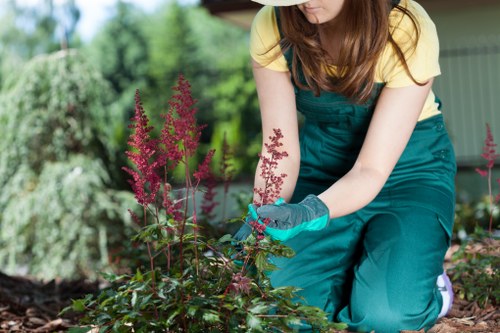
Tree pruning is not a one-size-fits-all service. Different trees, different sites, and different customer goals require different methods. A good pruning plan starts with a proper assessment of the tree’s structure, condition, location, and use of the surrounding space. The right approach will depend on whether the tree is young, mature, ornamental, fruiting, or part of a larger landscape setting.
Common tree pruning services in Sudbury include crown thinning, crown reduction, crown lifting, deadwood removal, formative pruning, and selective branch removal. Each type has a distinct purpose. For example, crown thinning can allow more light and wind through the canopy without changing the overall shape too drastically. Crown lifting raises the lower canopy to improve clearance for paths, driveways, or access around buildings. Reduction work can help manage spread and height where a tree is becoming too dominant for its position.
We also carry out pruning to support tree health, such as removing damaged branches, crossing stems, or growth that is competing for space. In some cases, we may recommend a light, staged approach rather than a heavy cut, especially where a tree is valuable, established, or sensitive to stress. The point is not simply to trim back growth, but to leave the tree in a better condition than before.
What is included in a professional pruning visit?
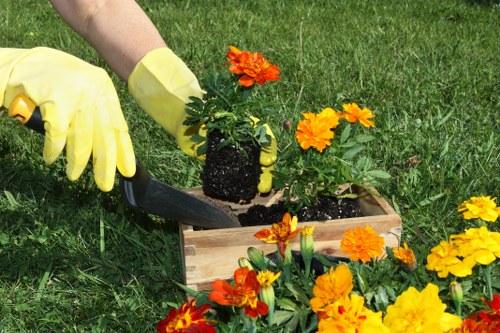
Customers often want to know what happens when a tree pruning team arrives. A professional visit should be straightforward, tidy, and focused on the agreed work. First, the tree and the site are assessed so the team can decide what needs to be removed, how to access it, and how to protect nearby features such as flowerbeds, paving, sheds, fences, and parked vehicles.
Once the pruning plan is clear, the team will carry out the cuts using appropriate arboricultural methods and safe equipment. This may involve work from the ground, from climbing systems, or using other access methods where suitable. Branches are then managed carefully so they do not damage surrounding property. In many cases, the site is left neat and ready to use again, with arisings cleared as agreed.
Depending on the job, a pruning service may also include site cleanup, brash removal, chip disposal, and advice on ongoing tree care. Some customers also ask for recommendations on how often their trees should be checked, especially where the tree is near buildings, roads, or shared boundaries. A reliable local company should be happy to explain what was done and why, using practical language rather than technical jargon.
Common reasons customers request pruning
People in Sudbury request tree pruning for many different reasons, and often several apply at once. A tree may be healthy but simply too large for its spot. Another may have branches hanging over a neighbour’s boundary, creating friction or reducing privacy. A property manager may need regular pruning to keep communal areas safe and tidy. A business owner may need a clean, welcoming frontage that does not look neglected.
Some of the most common reasons include light improvement, clearance from roofs and gutters, better shape, reduction of nuisance growth, safer access, and improved visibility. Fruit tree pruning is another frequent request, especially where customers want better crops, stronger branch structure, and easier maintenance. Ornamental trees also benefit from careful shaping to keep them attractive and balanced through the seasons.
In many cases, the right pruning work can save a customer from more expensive problems later. If a branch is allowed to keep growing unchecked, it may become heavier, weakly attached, or difficult to remove safely. Early attention often means smaller cuts, less disruption, and a much better result overall.
Why local knowledge matters in Sudbury

Sudbury is a town where tree work often needs local understanding. Some properties sit on narrow streets with limited parking, while others have long drives, shared access, or enclosed rear gardens that make equipment movement more complicated. Commercial sites may need work arranged around opening hours, deliveries, or customer access. Older houses can have delicate walls, paved courtyards, and established planting that must be protected during the job.
A local tree pruning team is used to these conditions. That means planning the job around real site constraints rather than forcing a generic approach. It also means understanding the kind of trees commonly seen in and around Sudbury, from mature garden specimens to roadside trees and boundary planting. The more familiar the team is with local property layouts, the better they can work safely and efficiently.
Local knowledge also matters when it comes to timing. Some pruning jobs are best carried out during dormancy, while others can be done carefully at different times of year depending on species, condition, and the reason for the work. A local professional can help you decide on the most suitable approach so the tree, the property, and the surrounding environment all benefit.
Tree pruning for homes, landlords, and businesses
Tree care needs are different for every customer type. Homeowners usually want a better-looking, safer garden with more usable space. Landlords may need trees managed so tenants can enjoy the property without overhanging hazards or excessive leaf fall causing blockages and maintenance problems. Commercial customers often need a more structured service that keeps exterior areas smart, visible, and accessible to staff and visitors.
Residential pruning often focuses on improving light, reducing branch spread, and keeping trees in proportion with the house and garden. This is especially useful where trees have grown close to conservatories, sheds, garage roofs, fences, or patios. For commercial properties, pruning may be more about clearance, safety, presentation, and the smooth running of day-to-day operations. A tidy, well-maintained site gives a better impression and helps reduce avoidable hazards.
Whatever the property type, the work should be planned with care. Good pruning respects the tree while meeting the practical needs of the site. That balance is especially important in built-up areas where trees are part of a wider landscape rather than isolated specimens.
How the pruning process works
Many customers want a simple explanation of what to expect from start to finish. The process is usually straightforward. It begins with an assessment of the tree, the surroundings, and the customer’s goals. This helps define what kind of pruning is suitable and whether there are any access or safety considerations to plan for. If there are multiple trees, each one may be assessed individually because different species and shapes can require different methods.
Next comes the pruning itself. The team works carefully to remove selected branches or reduce the canopy in a controlled way. Good pruning aims to improve structure, reduce risk, and keep the tree looking natural rather than overcut. Once the cuts are complete, the site is tidied so that the remaining area is safe and presentable. Any agreed waste removal is then handled as part of the service.
Finally, you should receive clear feedback on the work carried out and any follow-up advice that may be useful. That may include suggestions for future pruning intervals, signs to watch for, or whether a different kind of tree care may be needed later. The best services leave customers informed, not guessing.
Benefits of regular tree pruning
Regular pruning offers a range of practical and visual benefits. One of the biggest is improved tree health. By removing dead, damaged, or congested growth, the tree can direct energy into stronger, more useful parts. Better airflow through the canopy can also reduce dampness and make the tree less prone to overcrowding issues.
Another major benefit is safety. Managed trees are less likely to develop weak, oversized branches that can fail unexpectedly. This matters near homes, footpaths, roads, parked cars, and public areas. It also matters in gardens where families, children, pets, and visitors spend time regularly. A safer tree is usually a more manageable tree.
There are visual benefits too. A well-pruned tree often looks more balanced, brighter, and more in proportion with the surrounding space. That can improve curb appeal, help a garden feel larger, and make commercial premises look more cared for. If you want your trees to enhance the property rather than overpower it, pruning is one of the most effective ways to achieve that.
Practical benefits customers often notice
- More daylight in gardens, rooms, and work areas
- Better clearance over paths, drives, and entrances
- Reduced risk from dead or unstable limbs
- Improved shape and balanced growth
- Less interference with roofs, gutters, fences, and boundaries
- Cleaner, tidier appearance for residential and commercial properties
Preparation checklist before your pruning appointment
There are a few simple things you can do before a pruning team arrives to help the job go smoothly. Clearing access is always useful, especially in narrow side passages, rear gardens, or shared driveways. If vehicles need to be moved, doing that in advance can save time and reduce the chance of accidental obstruction. It can also help to secure pets and let neighbours know if branches overhang a shared boundary.
If you have any concerns about a specific tree, mention them during the quote stage or when arranging the visit. For example, you may be worried about branches touching a roof, a tree leaning after recent weather, or roots and canopy growth affecting nearby structures. The more the team understands before arrival, the better they can prepare.
Preparation checklist:
- Move vehicles if access is needed.
- Clear loose items from the work area.
- Unlock side gates if access is required.
- Keep pets and children away from the work zone.
- Note any specific concerns about the tree or nearby property.
- Discuss waste removal preferences in advance.
A little preparation can make the whole experience smoother and help the team complete the pruning efficiently.
What affects the cost of tree pruning in Sudbury?
Customers often ask what influences pricing. While exact prices vary from job to job, several common factors usually shape the quotation. Tree size is one of the biggest considerations, since taller and wider trees require more time, skill, and equipment. Access is another key factor, especially where the tree is in a rear garden, close to buildings, or difficult to reach with vehicles or chippers.
The type of pruning needed will also affect the scope of the work. A light deadwood removal job is usually very different from a significant reduction or a detailed crown reshaping. The tree species matters too, because some trees tolerate certain cuts better than others and may require more careful handling. Waste removal, site constraints, and the need to work around power lines, neighbouring gardens, or busy forecourts can also influence the overall job.
Because every site is different, the most useful next step is usually a proper quote based on the actual tree and location. That way, the work can be priced fairly and planned correctly, without vague assumptions. If you are comparing options, it is worth looking at what is included, how the team handles waste, and whether the approach feels informed and professional.
Why choose a local company for tree pruning?
Choosing a local company has real advantages. A team that works regularly in and around Sudbury is more likely to understand local access issues, local property layouts, and the practical needs of both domestic and commercial customers. That local familiarity can make a noticeable difference on the day, especially where parking is limited or access is tight.
Local companies are also often easier to work with when you need something practical and straightforward. You may not need a huge, complicated operation; you may simply want a tidy, careful pruning job carried out at a time that suits you. Local teams are usually better placed to respond to that need with a flexible approach and realistic scheduling.
Choosing local also helps with continuity. If you want ongoing tree maintenance rather than a one-off visit, it is useful to work with people who already understand your site. They can keep track of previous work, note how the trees are responding, and recommend sensible follow-up pruning at the right interval.
Signs your tree may need pruning soon
- Branches are touching the roof, guttering, fence, or neighbouring property
- The canopy is too dense and blocking light
- Dead or broken branches are visible
- The tree looks unbalanced or top-heavy
- Low branches are obstructing access or parking
- Recent storms have caused damage or movement
- Fruit trees are producing poorly or growing in an awkward shape
Areas covered around Sudbury
Tree pruning requests come from across Sudbury and the surrounding districts, including homes, small businesses, farms, shared developments, and larger estates. Customers often need work carried out in town centre locations, quieter residential streets, edge-of-town properties, and countryside settings where access and tree size can vary considerably.
Nearby areas commonly covered include surrounding villages and local communities within easy reach of Sudbury. Because tree care needs can differ so much between a compact terrace, a detached house with a large garden, a retail forecourt, or a rural property with mature boundary trees, the service is tailored to the site rather than treated as a standard call-out.
If you are unsure whether your property falls within the usual service area, it is sensible to ask when requesting a quote. A local tree pruning company can usually confirm coverage quickly and advise on the most practical way to proceed.
Frequently asked questions about tree pruning in Sudbury
How often should trees be pruned?
That depends on the tree species, age, location, and purpose of the pruning. Some trees only need attention every few years, while others benefit from more regular maintenance. Trees near buildings, paths, or busy access points may need checking more often than trees in open spaces.
Is pruning always better than removal?
No. Pruning is often the best choice when the tree is healthy and can be managed safely. However, if a tree is severely damaged, diseased, or unsuitable for its location, another solution may be more appropriate. A good local professional will explain the options honestly.
Can pruning improve the shape of a young tree?
Yes. Formative pruning is especially useful for younger trees because it helps create a strong framework early on. That can reduce future problems and make the tree easier to maintain as it matures.
Will pruning damage my tree?
Proper pruning should support the tree, not harm it. The key is to use the right method, at the right time, with the right cuts. Heavy-handed or careless work can cause stress, so it is important to choose a skilled team.
Do I need permission to prune a tree?
In some cases, yes. This may apply if the tree is protected by a Tree Preservation Order or sits within a conservation area. If you are unsure, ask before the work starts so the situation can be checked properly.
What happens to the branches and waste?
Waste handling is usually discussed during the quote stage. Many customers prefer the arisings to be removed, while others may want woodchip or smaller material left on site for garden use. The service can often be tailored to suit your preference.
Book tree pruning in Sudbury with confidence
If your trees are becoming difficult to manage, shading out your property, or starting to interfere with nearby structures, now is a sensible time to act. Tree pruning in Sudbury can make a noticeable difference to how safe, tidy, and usable your outdoor space feels. It can also help preserve the long-term health and appearance of the tree itself.
Whether you need a one-off visit or regular maintenance, a local tree care team can help you choose the right approach for the site and the tree. From residential gardens to commercial premises, the aim is always careful, practical work with minimal disruption and a clean finish.
Ready to get started? Contact us today to request a free quote, discuss your tree care needs, or book your service now. If you have a tree that needs attention, it is usually best to arrange an assessment sooner rather than later so the work can be planned properly and carried out at the right time.
Helpful note for customers
If your tree is near a building, boundary, road, or shared access point, mention that when enquiring so the team can plan the job safely and efficiently.
Need a simple next step?
Request a free quote and let a local specialist assess the pruning work needed for your Sudbury property.